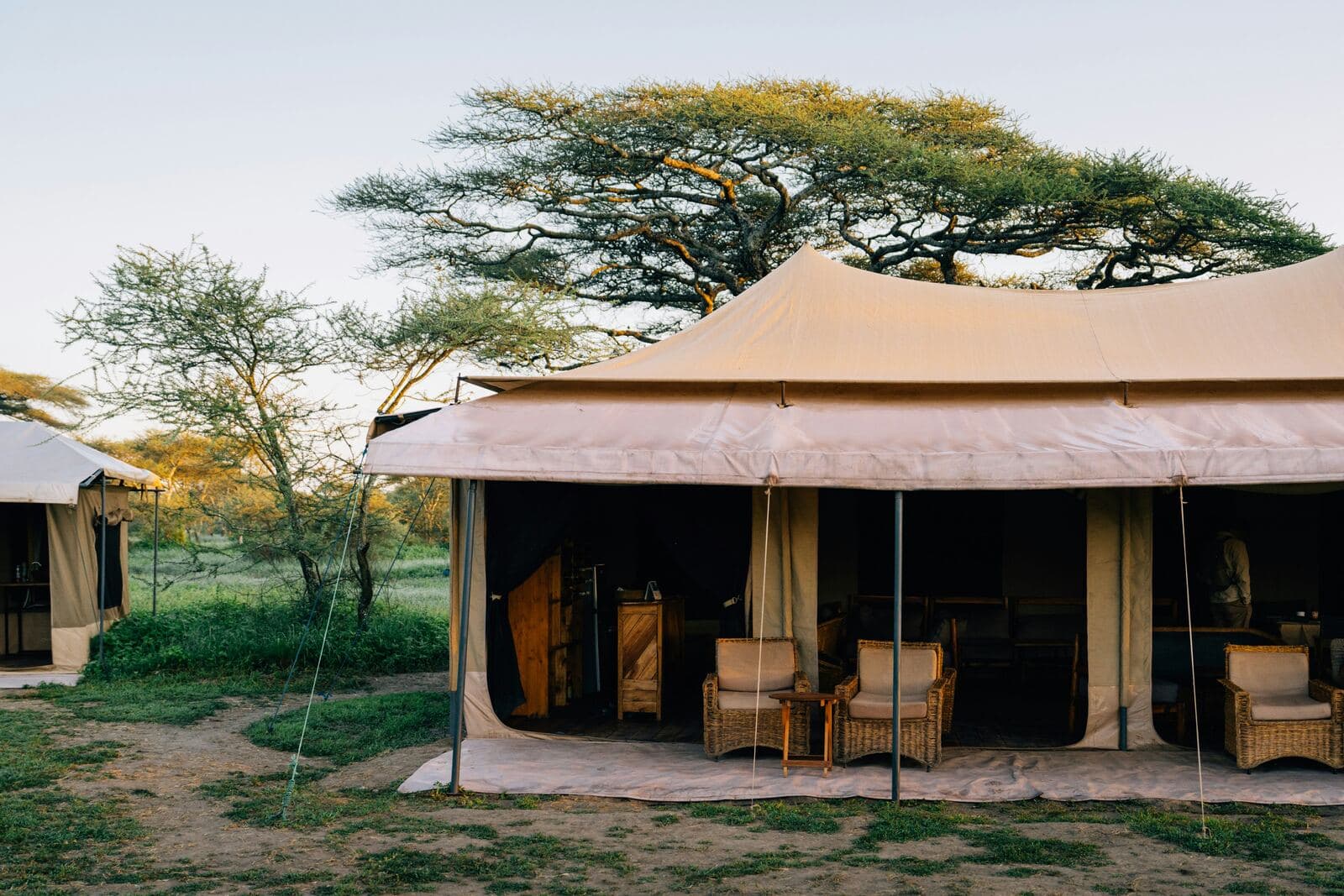
South Africa welcomed 10.5 million international tourists in 2025, but that figure hides three very different buyers: the long-haul international guest, the regional African traveller, and the domestic South African guest.
South Africa welcomed 10.5 million international tourists in 2025, according to Statistics South Africa, up 17.7% on the year before, and above pre-pandemic 2019 levels. It's a genuinely strong number, and it's also one that hides more than it reveals, because "international tourist" is doing an enormous amount of work in that sentence. Long-haul markets are still growing too. The UK overtook the United States as South Africa's single largest source market in 2025. But a significant share of the overall increase has come from regional African travel markets, a segment that most boutique lodge, game lodge, and guesthouse marketing is still not built to speak to.
For an independent South African property, whether a boutique lodge, a game lodge, a private reserve, or a guesthouse, this isn't a statistics problem. It's a messaging problem. Most of these properties are, in effect, marketing to three different buyers with one voice, and satisfying none of them particularly well.
The long-haul international leisure traveller, historically from the UK, Germany, the Netherlands, and the United States, is planning a once-in-several-years trip, researching for months, comparing multiple properties and regions, and booking through a mix of specialist tour operators, travel agents, and OTAs well in advance. Price sensitivity is comparatively low; specificity and reassurance matter enormously. This guest wants to know exactly what the experience will feel like before committing to a long-haul flight, and responds to detailed, story-led content: the specific game-viewing experience, the specific room, the specific sense of place.
The regional African traveller, one of the fastest-growing segments of South Africa's inbound numbers, often has a shorter lead time, may be travelling for a mix of business and leisure, and typically has different price expectations and payment norms than the long-haul segment. This guest is frequently underserved by marketing that assumes every international visitor is a first-time, bucket-list safari-goer.
The domestic South African traveller books very differently from either international segment: short lead times, high price and value sensitivity, strong response to seasonal and school-holiday-linked offers, and discovery that happens largely through WhatsApp, Instagram, and word of mouth rather than through tour operators or long-form research. This guest already knows what a lodge broadly looks like and needs a specific, credible reason to choose one over the next one down the road, usually rooted in value, not exoticism.
The instinct for a small property with limited marketing resources is to write one set of website copy, one set of brand photography, and one social media voice, and let it serve every visitor. The problem is that the proof points each buyer needs are almost opposite.
The long-haul international guest needs to be convinced the experience is worth an extraordinary amount of money and travel time. The messaging leans into scarcity, atmosphere, and the specificity of place. The domestic guest already lives within a few hours' drive and needs to be convinced the price is justified relative to the next three properties they're comparing on their phone right now. The messaging needs to lean into clear value, specific inclusions, and immediacy. A homepage written entirely in the register of the first guest (long, atmospheric, unhurried) often reads as vague and overpriced to the second. A homepage written for the second (direct, offer-led, urgent) can read as generic and undifferentiated to the first.
Very few independent South African properties have the resources to build separate sites or campaigns for each segment, and they don't need to. What they need is deliberate segmentation within a single brand:
Separate the entry points, not just the messaging. A distinct, clearly signposted path for South African and regional guests, with different offers, different imagery pace, different urgency, alongside the main international-facing story, rather than forcing every visitor through the same slow-build narrative homepage.
Match the channel to the buyer. Long-haul international guests are still won largely through search, specialist press, and tour operator relationships. Domestic and regional guests are won through WhatsApp broadcast lists, Instagram, and local partnerships, channels that are cheap to run but require completely different content and cadence than a polished international campaign.
Let pricing and packaging do some of the segmentation. Off-peak, midweek, or short-stay domestic offers don't need to compete with the long-haul guest's full-experience package; they can exist alongside it without diluting the premium positioning that the international segment is paying for.
Know which guest is funding which part of the business. Long-haul international stays often carry higher average rates and longer lengths of stay; domestic and regional stays often fill shoulder-season gaps and midweek occupancy that would otherwise sit empty. Both matter. Neither should be marketed as if it were the other.
A South African lodge or guesthouse that keeps trying to write one message for three buyers ends up being adequately persuasive to none of them. The properties that grow both segments at once are the ones that stop treating "the guest" as a single person, and start building distinct, deliberate paths to each of the very different people actually looking at their availability calendar.
They book on almost opposite terms. Long-haul international guests plan months in advance, compare properties and regions extensively, and respond to atmospheric, story-led content. Domestic South African guests book on short notice, are highly price and value sensitive, and respond to direct, offer-led messaging discovered through WhatsApp and Instagram rather than long-form research.
Statistics South Africa recorded 10.5 million international tourist arrivals in 2025, up 17.7% on 2024. Long-haul markets are still growing too (the UK overtook the US as South Africa's largest single source market in 2025), but a significant share of the overall increase has come from regional African markets, a segment that boutique lodge marketing typically pays far less attention to than the traditional UK, German, Dutch, and American visitor base.
Most independent properties don't need separate websites, but they benefit from separate entry points, offers, and channels for domestic and regional guests alongside their main international-facing brand story, since the proof points each audience needs to book are largely different.
We use cookies for essential site functionality, and — only with your consent — analytics tools like Google Analytics to understand how visitors use the site. See our Cookie Policy for details.